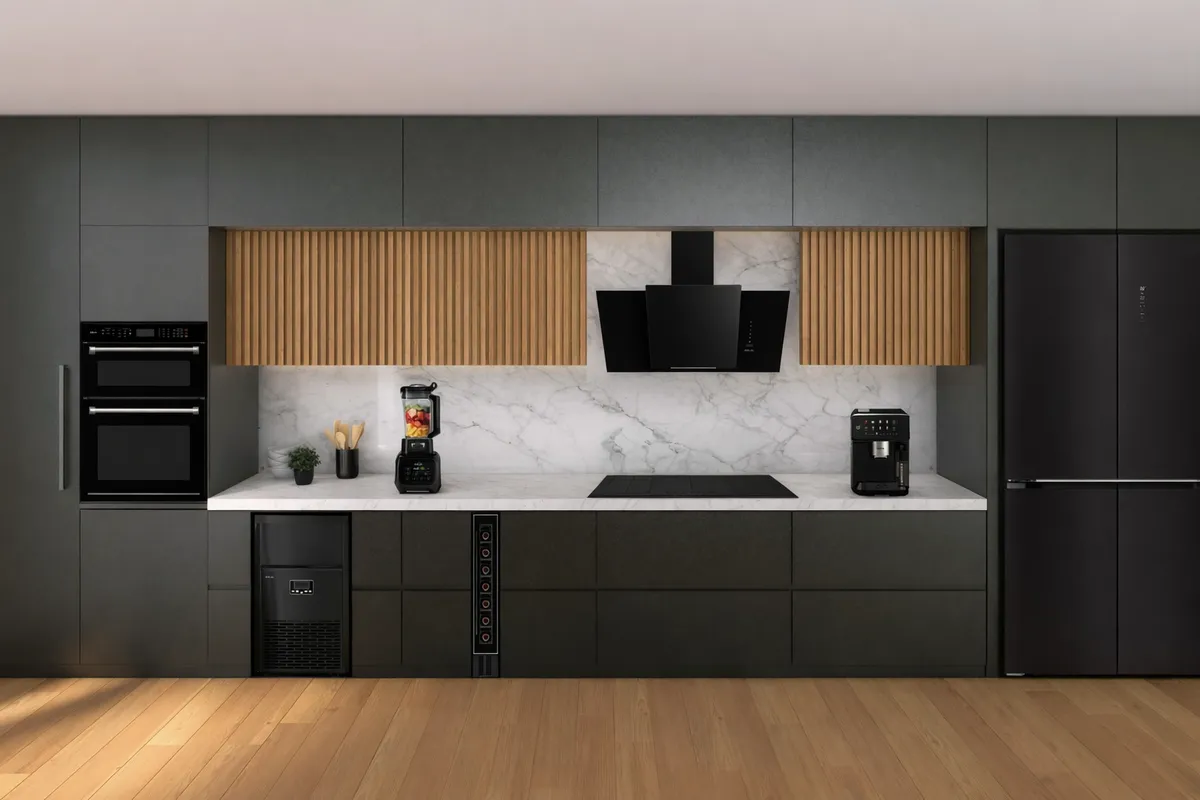
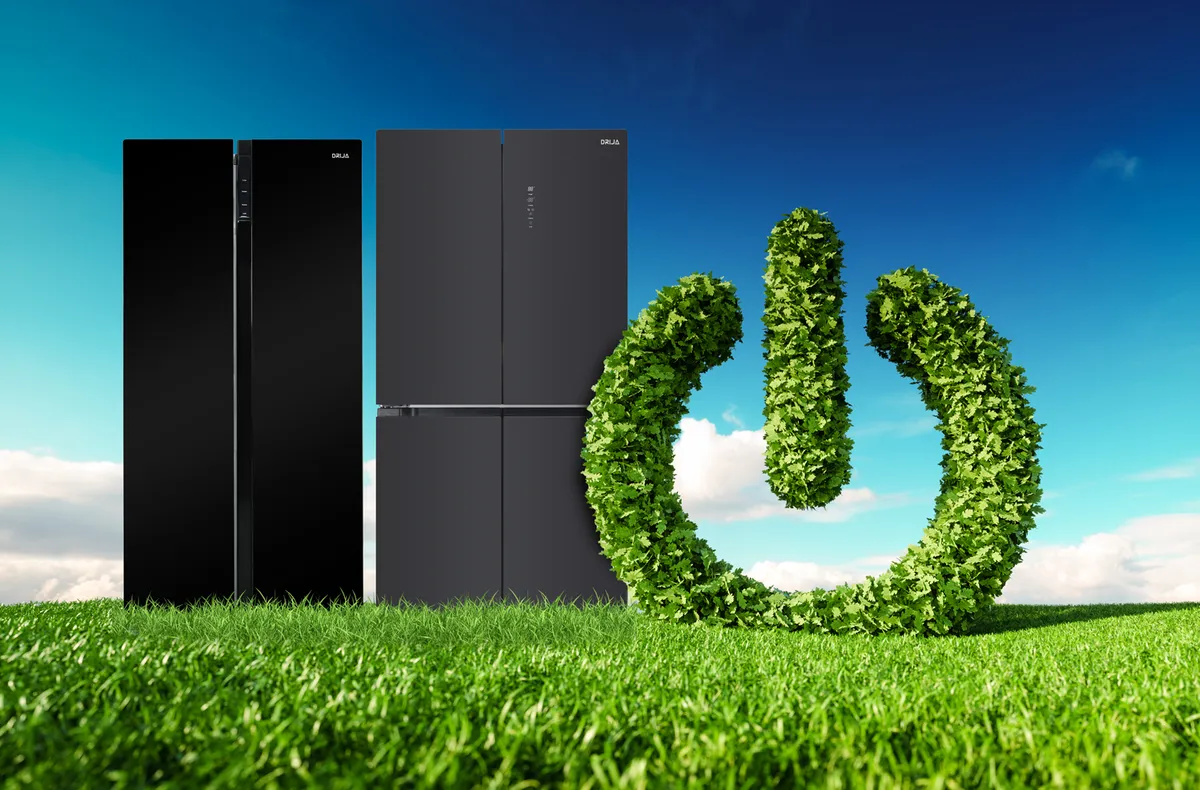
The modern kitchen is no longer just the place where food is prepared. Today it functions as the heart of the home: a space where design, innovation, and efficiency come together. Within this evolution, Inverter technology has become a key differentiator across different appliance categories.
Its value doesn't lie only in consuming energy differently, but in adapting the appliance's operation to the real needs of each moment.
What is Inverter technology?
In general terms, Inverter technology allows the gradual regulation of a motor, compressor, or power system. Instead of constantly running at full capacity through abrupt on/off cycles, the appliance can adjust its performance based on demand.
This more precise control can provide benefits such as:
- More efficient electrical consumption, depending on the product, its settings, and usage conditions.
- Less mechanical strain, by reducing some abrupt startups and operating changes.
- Quieter, more stable operation in appliances designed to regulate their speed.
- Better use of energy, by using only the power required at each stage.
The actual results depend on the model, installation, environment, and usage habits. That's why it's always worth comparing the specifications and energy information for each product.
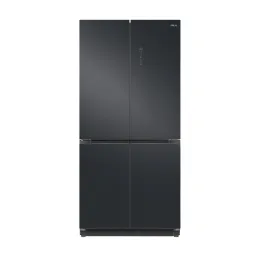
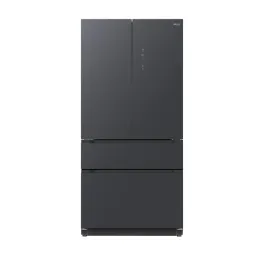
DRIJA Inverter refrigerators
In a refrigerator, the Inverter compressor adjusts its speed to respond to temperature changes. Opening the doors, adding food, and outside weather all affect cooling demand; the system adapts its operation to recover and maintain the selected temperature.
DRIJA Inverter refrigerators are designed to offer:
- Stable cooling and even temperature distribution.
- Fewer fluctuations that help preserve fruits, vegetables, and other food.
- Operation with controlled noise levels, depending on the model's features.
- Interior capacity suited to the needs of different households.
Certain models feature R600a refrigerant, an efficient solution currently used in household refrigeration systems. Availability and specific features should be confirmed in each refrigerator's technical sheet.
In warm regions such as Central America and the Caribbean, ventilation, placement, and the space around the appliance remain essential for proper operation.
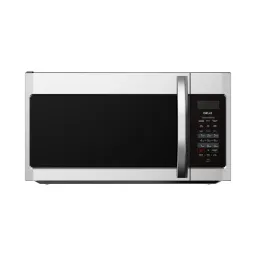
Inverter microwaves: greater control while cooking
Inverter technology also changes the way a microwave manages power. Traditional systems may alternate between periods of full power and pauses to reach intermediate levels. An Inverter system can deliver energy in a more continuous, controlled way.
This makes it possible to achieve:
- More even cooking in compatible recipes.
- Better control during delicate processes.
- Gradual defrosting, reducing the risk of cooking the edges while the center stays frozen.
- More consistent textures when using lower power levels.
DRIJA Inverter microwaves offer an option for those who want convenience without giving up control over their everyday cooking.
Efficiency and sustainability at home
Choosing efficient appliances can benefit both everyday operation and resource use. An appliance that's correctly sized and used according to its specifications can:
- Reduce unnecessary energy consumption.
- Reduce wear associated with improper operating conditions.
- Maintain its performance for longer through correct installation and maintenance.
- Avoid premature replacements and the early generation of electronic waste.
Technology alone doesn't determine total consumption. The selected temperature, maintenance, ventilation, and usage habits also play a part in the outcome.
Technology that keeps pace with the home
The Inverter evolution represents a more flexible way to manage energy. In DRIJA refrigerators and microwaves, this technology aims to bring together efficiency, stability, comfort, and control to meet the demands of a contemporary kitchen.
More than just an added feature, it's a tool that adapts the appliance's performance to each moment and helps build a more conscious, efficient home.
Discover DRIJA refrigerators with technologies designed for the home.